
What Is Obsessive-Compulsive Disorder (OCD)?
Common Symptoms of OCD
People experience OCD differently. However, several symptoms appear frequently.
Obsession Symptoms
- Fear of contamination
- Fear of harming oneself or others
- Need for perfect order
- Intrusive unwanted thoughts
- Excessive concern about safety
- Fear of making mistakes
- Constant doubts
- Religious or moral obsessions
- Need for reassurance
- Persistent anxiety
Moreover, these thoughts feel difficult to control. Therefore, they often create significant emotional distress.
Compulsion Symptoms
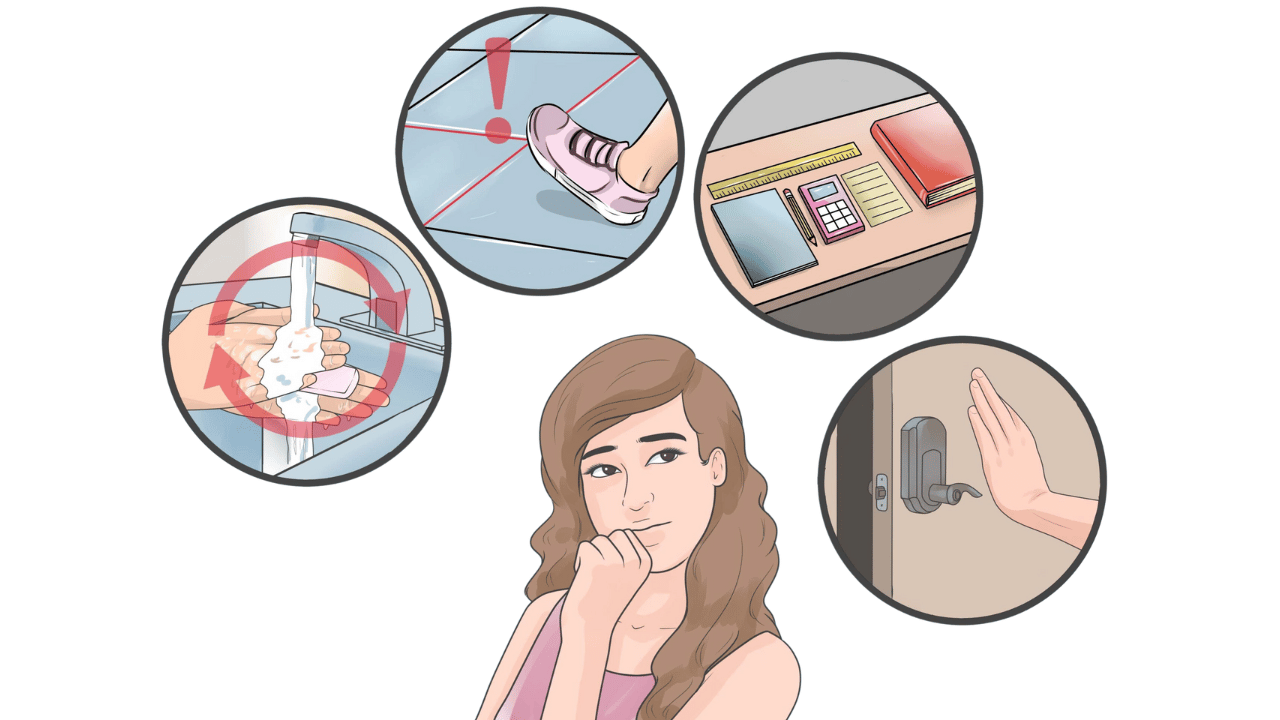
- Frequent hand washing
- Repeated checking behaviors
- Counting repeatedly
- Arranging objects perfectly
- Repeating words silently
- Excessive cleaning
- Seeking reassurance constantly
- Repeating daily routines
- Touching objects repeatedly
- Avoiding triggering situations
Furthermore, compulsions temporarily reduce anxiety. However, they usually reinforce the OCD cycle over time.
Causes of OCD
Several biological and psychological factors contribute to OCD. Therefore, understanding these causes helps professionals create personalized treatment plans.
Common causes include:
- Genetic factors
- Brain chemistry imbalance
- Family history
- Stressful life events
- Childhood trauma
- Anxiety disorders
- Perfectionist personality traits
- Neurological differences
- Environmental influences
- Chronic emotional stress
Moreover, every individual experiences OCD differently. Consequently, treatment plans should always match personal needs and symptom severity.
When Should You Seek Treatment For OCD?
Treatment For OCD
Many people delay treatment because they believe their symptoms will disappear naturally. However, OCD rarely improves without professional support.
Consider seeking Treatment For OCD if you experience:
- Intrusive thoughts every day
- Repetitive behaviors lasting over an hour daily
- Difficulty concentrating
- Anxiety affecting work or school
- Relationship problems
- Sleep disturbances
- Emotional exhaustion
- Constant reassurance seeking
- Panic related to obsessive thoughts
- Reduced quality of life
Moreover, early intervention improves recovery. Therefore, seeking help sooner often prevents symptoms from worsening.
Our Comprehensive Treatment For OCD
PRP Therapy In Eractile Dysfunction
OCD Treatment Option
Our comprehensive care may include:
- Psychological assessment
- Cognitive Behavioral Therapy (CBT)
- Exposure and Response Prevention (ERP)
- Individual counseling
- Family counseling
- Stress management therapy
- Mindfulness-based therapy
- Relaxation techniques
- Medication management (when required)
- Lifestyle counseling
Moreover, therapy teaches practical coping skills. Consequently, patients become more confident in managing obsessive thoughts and compulsive behaviors.
Cognitive Behavioral Therapy (CBT) for OCD
Cognitive Behavioral Therapy remains one of the most effective treatments for OCD. Instead of avoiding fears, CBT helps individuals challenge unhealthy thinking patterns and replace them with healthier responses.
Moreover, CBT builds practical coping skills through structured sessions. Therefore, individuals gradually reduce anxiety while improving emotional control. In addition, therapists provide continuous guidance
Exposure and Response Prevention (ERP)
Benefits of Professional Treatment For OCD
Choosing professional Treatment For OCD offers numerous long-term advantages.
Benefits include:
- Reduced obsessive thoughts
- Better emotional control
- Lower anxiety levels
- Improved concentration
- Better sleep quality
- Stronger relationships
- Increased self-confidence
- Healthier coping skills
- Greater independence
- Improved quality of life
Moreover, professional support addresses both emotional and behavioral symptoms. Therefore, individuals experience comprehensive healing rather than temporary relief.
Frequently Asked Questions
Book Your Consultation Today
Treatment For OCD
If you are experiencing erectile dysfunction or other sexual performance concerns, do not delay seeking expert help. Instead, schedule a consultation with Dr. Asish Kuthe at Mind and Sex Clinic, Nagpur.Book Your Appointment. Take the first step toward improved confidence, better performance, and enhanced quality of life.Visit Our Hospital!