
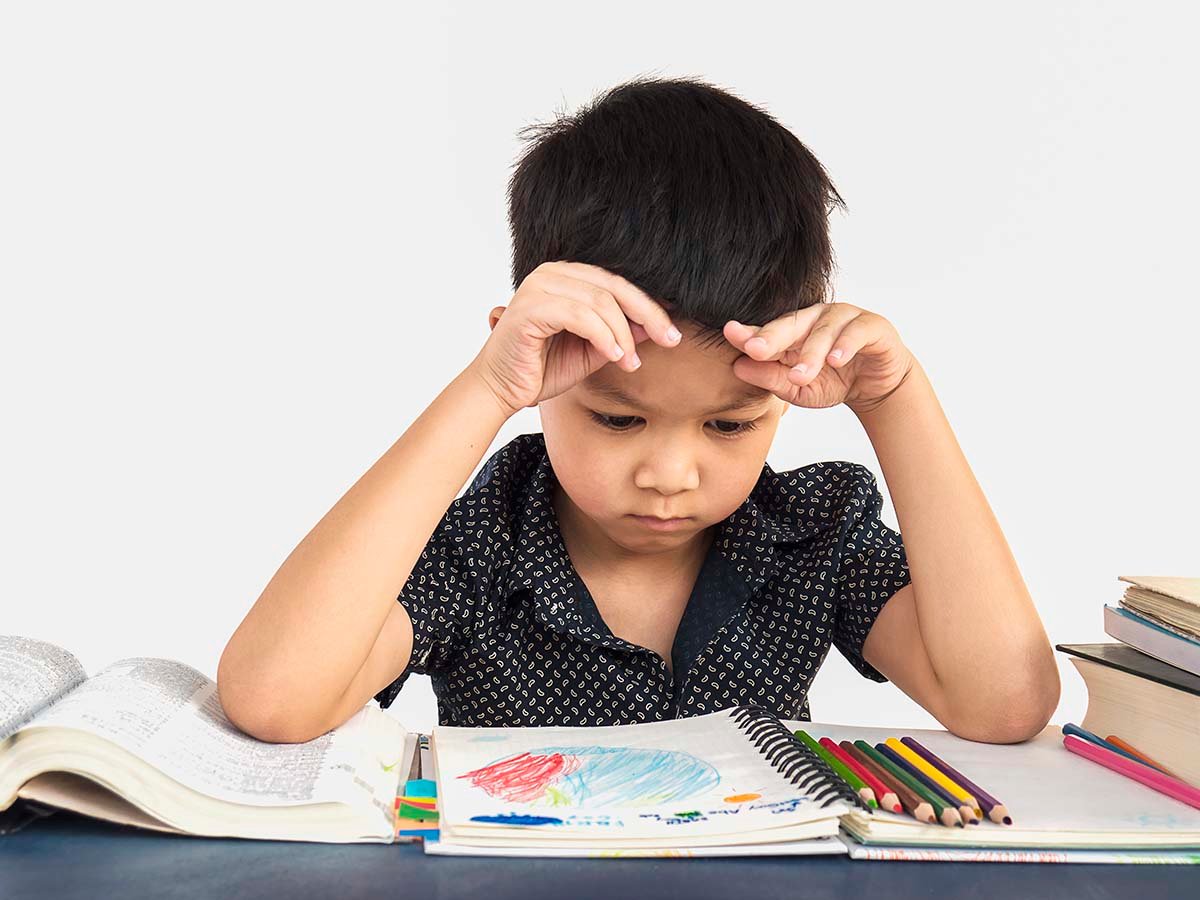
What Is Learning Difficulty In Children?
Common Types of Learning Difficulties In Children
Children may experience one or more learning challenges depending on their developmental needs. Therefore, identifying the exact difficulty helps professionals create an effective treatment plan.
- Dyslexia : Children with dyslexia often struggle with reading, spelling, word recognition, and language processing. Moreover, early reading intervention improves literacy skills significantly.
- Dysgraphia : This learning difficulty affects handwriting, spelling, and written expression. In addition, children may find organizing thoughts on paper challenging.
- Dyscalculia : Dyscalculia affects mathematical understanding, number recognition, and problem-solving. Therefore, children may require structured learning strategies to improve numerical skills.
- Non-Verbal Learning Difficulty: Children may perform well with language but struggle with visual-spatial skills, coordination, and social understanding. Moreover, therapy enhances practical and social abilities.
- Auditory Processing Difficulty : Some children hear normally but struggle to process spoken information. As a result, following instructions and classroom learning become difficult.
Signs and Symptoms of Learning Difficulty In Children
Recognizing symptoms early helps parents seek timely professional support. Therefore, watch for the following signs:
- Delayed speech and language development
- Difficulty recognizing letters and words
- Poor reading comprehension
- Frequent spelling mistakes
- Trouble writing clearly
- Difficulty understanding mathematics
- Problems following instructions
- Poor memory and concentration
- Slow learning pace
- Difficulty organizing tasks
- Trouble expressing thoughts
- Poor hand-eye coordination
- Low confidence in school
- Avoidance of homework
- Behavioral frustration during learning
Moreover, children may show different combinations of symptoms depending on their individual learning profiles.
Causes of Learning Difficulty In Children
Several factors can contribute to learning challenges. Therefore, understanding the cause helps guide appropriate intervention.
Common causes include:
- Genetic factors
- Brain development differences
- Premature birth
- Low birth weight
- Developmental disorders
- Speech and language delays
- Attention-related disorders
- Hearing or vision problems
- Neurological conditions
- Emotional stress
- Environmental influences
- Nutritional deficiencies affecting development
Moreover, many children improve considerably when professionals identify the cause early and begin structured therapy.
How Learning Difficulties Affect Children
Learning Difficulty In Children
Learning difficulties influence more than classroom performance. Therefore, comprehensive care addresses both academic and emotional needs.
Children may experience:
- Poor academic performance
- Low self-esteem
- Anxiety related to school
- Difficulty making friends
- Reduced classroom participation
- Communication challenges
- Behavioral concerns
- Emotional frustration
- Reduced motivation
- Difficulty completing assignments
Moreover, early intervention improves both educational outcomes and emotional confidence.
When Should Parents Seek Professional Help?
Parents should consult a specialist if learning challenges continue despite regular teaching and support. Therefore, early evaluation helps prevent long-term academic difficulties. Moreover, timely intervention improves learning outcomes and builds confidence. In addition, identifying challenges early allows children to receive the right support at the right time.
Seek professional assessment if your child:
- Falls behind classmates consistently
- Avoids reading or writing
- Shows persistent speech delays
- Experiences ongoing concentration problems
- Struggles with mathematics
- Finds following instructions difficult
- Develops low confidence at school
- Displays emotional distress during learning
Furthermore, specialists work closely with parents and teachers to understand the child’s individual needs. As a result, they develop a personalized treatment plan that supports academic, social, and emotional growth. Ultimately, early diagnosis and intervention help children achieve their full learning potential and succeed both in school and in everyday life.
Diagnosis of Learning Difficulty In Children
An accurate diagnosis forms the foundation of effective treatment. Therefore, specialists perform detailed developmental and educational evaluations. Moreover, a comprehensive assessment helps identify each child’s unique strengths and learning challenges.
Assessment may include:
- Developmental history
- Parent interviews
- Academic performance review
- Cognitive assessment
- Psychological evaluation
- Speech and language assessment
- Occupational therapy evaluation
- Behavioral assessment
- Classroom observation
- Standardized learning tests
Furthermore, specialists collaborate with parents and teachers to gain a complete understanding of the child’s learning abilities and daily challenges. In addition, they review academic, behavioral, and social development to create a personalized intervention plan. As a result, children receive targeted support that promotes long-term academic and personal success.
Treatment for Learning Difficulty In Children
Educational Therapy
Educational therapy strengthens reaading, writing, mathematics, memory, and problem-solving skills. Moreover, therapists use engaging techniques that match the child’s learning style.
Includes:
- Reading improvement
- Writing skills
- Math support
- Memory training
- Problem-solving
Speech and Language Therapy
Speech therapy improves communication, language understanding, pronunciation, and listening skills. As a result, children communicate more confidently.
Includes:
- Speech clarity
- Language development
- Better pronunciation
- Listening skills
- Communication confidence
Occupational Therapy
Occupational therapy develops handwriting, fine motor skills, sensory integration, and classroom functioning. Therefore, children gain greater independence.
Includes:
- Handwriting improvement
- Fine motor skills
- Sensory integration
- Better coordination
- Classroom independence
Frequently Asked Questions
Learning Difficulty In Children refers to challenges in reading, writing, mathematics, language, attention, or information processing despite normal intelligence. Therefore, early assessment helps children receive the right support.
Many learning difficulties become noticeable during preschool or the early school years. Therefore, parents should seek evaluation whenever developmental concerns arise.
Book Your Consultation Today
Learning Difficulty In Children
If you are experiencing erectile dysfunction or other sexual performance concerns, do not delay seeking expert help. Instead, schedule a consultation with Dr. Asish Kuthe at Mind and Sex Clinic, Nagpur.Book Your Appointment. Take the first step toward improved confidence, better performance, and enhanced quality of life.Visit Our Hospital!