
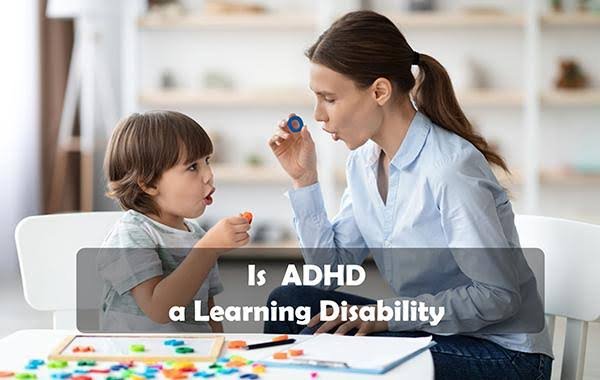
What is Attention Deficit Hyperactivity Disorder (ADHD)?
Common Symptoms of Attention Deficit Hyperactivity Disorder in Children
Children with ADHD may display different symptoms depending on their age and the type of ADHD. However, some signs appear more frequently.
Inattention Symptoms
- Difficulty paying attention
- Easily distracted
- Frequently forgetful
- Trouble completing tasks
- Poor organizational skills
- Losing personal belongings
- Difficulty following instructions
- Making careless mistakes
- Avoiding tasks requiring concentration
Hyperactivity Symptoms
- Constant fidgeting
- Running or climbing excessively
- Difficulty sitting still
- Talking excessively
- Restlessness
- Constant movement
- Difficulty playing quietly
Impulsivity Symptoms
- Interrupting conversations
- Difficulty waiting for their turn
- Acting without thinking
- Answering questions before completion
- Taking unnecessary risks
- Emotional outbursts
Moreover, these symptoms usually appear in multiple environments, including home and school. Therefore, professional evaluation becomes essential.
Types of Attention Deficit Hyperactivity Disorder in Children
Predominantly Inattentive Type
Children mainly struggle with attention, organization, and concentration.
Predominantly Hyperactive-Impulsive Type
Children show excessive movement, impulsive behaviour, and difficulty remaining calm.
Combined Type
Children experience symptoms of both inattention and hyperactivity-impulsivity. Consequently, they require comprehensive treatment approaches.
Causes of Attention Deficit Hyperactivity Disorder in Children
Attention Deficit Hyperactivity Disorder In Children
Although experts continue researching ADHD, several factors may contribute to its development.
Common causes include:
- Genetic factors
- Brain development differences
- Family history of ADHD
- Premature birth
- Low birth weight
- Prenatal exposure to harmful substances
- Environmental influences
- Early developmental factors
Moreover, understanding these causes helps healthcare professionals develop effective treatment plans tailored to each child’s needs.
Benefits of Early Treatment for Attention Deficit Hyperactivity Disorder in Children
Attention Deficit Hyperactivity Disorder In Children
Early intervention offers significant long-term benefits.
Improved Attention
Children gradually learn strategies to stay focused and complete tasks more effectively.
Better Behaviour
Behavioural therapy helps reduce impulsive actions and improve self-control.
Emotional Regulation
Children develop healthier ways to understand and manage their emotions.
Stronger Social Skills
Therapy improves communication, cooperation, and relationship-building skills.
Better Academic Performance
Improved concentration and organization help children perform better in school.
Increased Confidence
Children gain confidence as they achieve success in everyday activities.
Reduced Family Stress
Parents learn effective strategies that create a calmer and more supportive home environment.
Treatment Options for Attention Deficit Hyperactivity Disorder in Children
Every child receives a customized treatment plan based on individual needs.
Behaviour Therapy
Behaviour therapy teaches positive habits using structured rewards and consistent guidance.
Cognitive Behaviour Therapy (CBT)
CBT helps children replace negative thinking patterns with healthier responses.
Parent Training
Parents learn practical behaviour management techniques that support therapy at home.
Social Skills Training
Children practice communication, teamwork, and problem-solving skills.
Play Therapy
Play therapy encourages emotional expression and healthy behavioural development.
School Support
Therapists collaborate with teachers to improve classroom success.
Medication (When Appropriate)
Some children benefit from medication prescribed by a qualified pediatrician or child psychiatrist. However, medication works best when combined with behavioural interventions and family support.
What to Expect During ADHD Therapy
Why Early ADHD Treatment Matters
Why Choose Us for Attention Deficit Hyperactivity Disorder in Children?
We provide compassionate, evidence-based care designed specifically for children.
Our services include:
- Comprehensive ADHD assessments
- Experienced child psychologists
- Individualized treatment plans
- Behaviour therapy
- Parent counselling
- School collaboration
- Child-friendly therapy environment
- Progress monitoring
- Family-focused care
- Long-term developmental support
Moreover, we believe every child deserves personalized attention and compassionate care. Therefore, we work closely with families to help children reach their full potential.
Tips for Parents of Children with ADHD
Parents play a vital role in helping children achieve better therapy outcomes. Moreover, consistent support at home strengthens the skills children learn during therapy sessions. In addition, daily encouragement builds confidence and promotes long-term progress. Therefore, parents should follow a structured approach every day.
Helpful tips include:
- Create structured daily schedules to provide stability.
- Give simple, clear, and easy-to-follow instructions.
- Praise positive behaviour immediately to reinforce good habits.
- Break large tasks into smaller, manageable steps.
- Encourage daily physical activity to improve focus and emotional well-being.
- Limit unnecessary screen time to reduce distractions.
- Ensure your child gets adequate sleep every night.
- Provide healthy and balanced nutrition to support brain development.
- Stay patient, calm, and consistent during daily interactions.
- Communicate regularly with teachers and therapists to monitor progress.
- Additionally, celebrate small achievements to keep your child motivated.
- Furthermore, establish predictable morning and bedtime routines.
- Likewise, create a quiet and organized study environment at home.
- Meanwhile, encourage your child to express thoughts and emotions openly.
- As a result, children feel more secure and willing to participate in therapy.
- Similarly, practice therapy exercises at home whenever recommended by the therapist.
- Finally, review your child’s progress regularly and adjust routines when necessary.
Moreover, consistent support at home reinforces therapy progress. Furthermore, positive reinforcement encourages children to repeat desirable behaviours. Consequently, children develop stronger life skills and greater independence. As a result, they become more confident in managing everyday challenges. Ultimately, regular collaboration between parents, teachers, and therapists creates the best environment for long-term success.
Frequently Asked Questions
Book Your Consultation Today
Attention Deficit Hyperactivity Disorder In Children
If you are experiencing erectile dysfunction or other sexual performance concerns, do not delay seeking expert help. Instead, schedule a consultation with Dr. Asish Kuthe at Mind and Sex Clinic, Nagpur.Book Your Appointment. Take the first step toward improved confidence, better performance, and enhanced quality of life.Visit Our Hospital!