
Treatment for Aggression in Children – Helping Children Build Healthy Emotional Responses
What Is Tretment For Aggrssion In Children ?
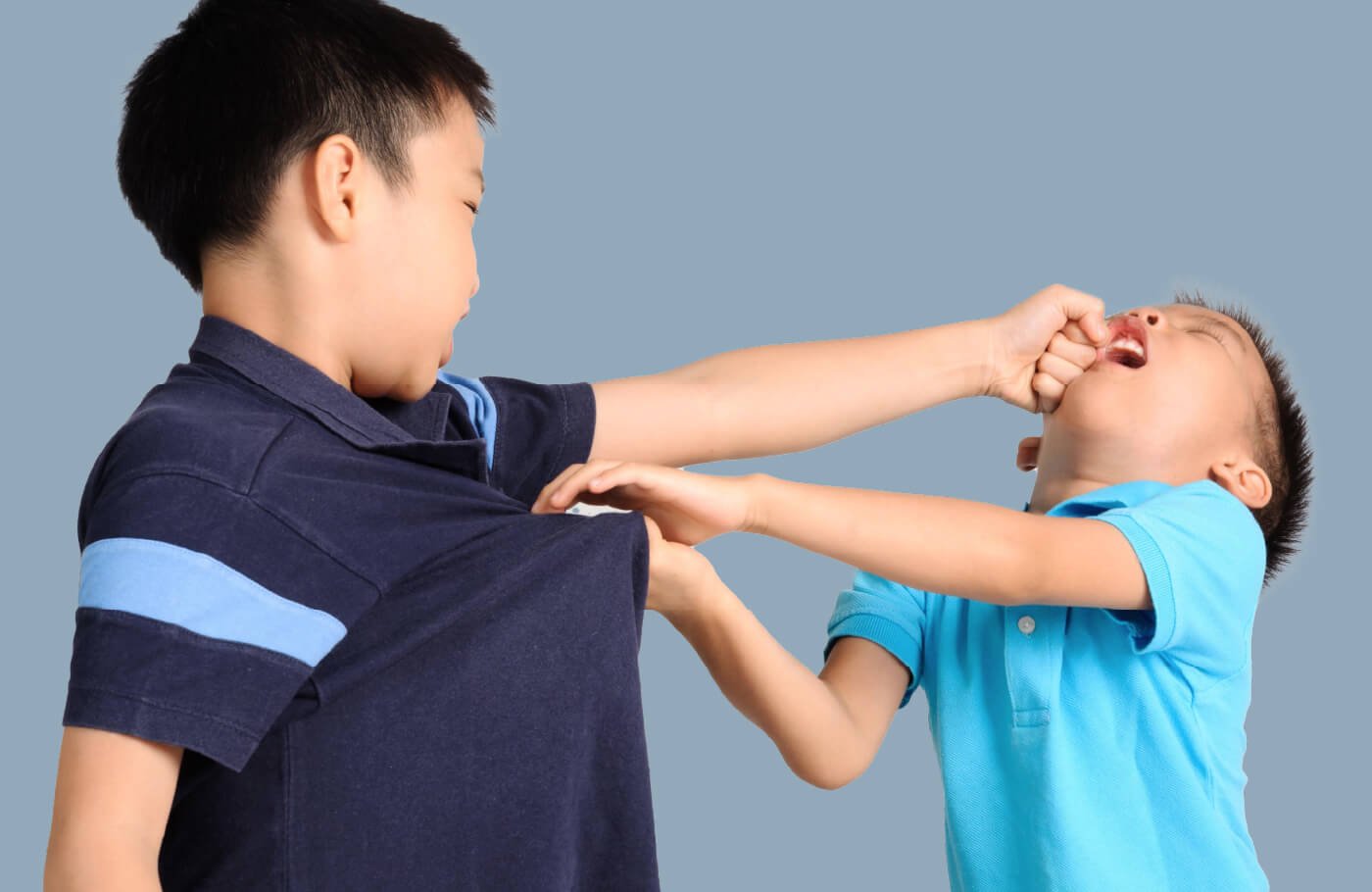
Aggression refers to behaviors that intentionally hurt others, damage property, or express anger in unhealthy ways. Therefore, occasional frustration is normal, but repeated aggressive behavior deserves professional attention. Moreover, aggression may appear differently depending on a child’s age and personality. In addition, identifying these behaviors early helps prevent future emotional and social difficulties. As a result, timely counseling supports healthy emotional development.
Common aggressive behaviors include:
- Hitting or kicking others
- Biting or scratching
- Pushing classmates or siblings
- Throwing objects
- Frequent temper tantrums
- Yelling or screaming
- Threatening others
- Breaking toys or household items
- Bullying peers
- Refusing to follow instructions
Common Causes of Aggression in Children
Tretment For Aggrssion In Children
Aggression usually develops because of several emotional, environmental, or developmental factors. Therefore, understanding the root cause allows therapists to create an effective treatment plan. Moreover, every child requires an individual assessment. In addition, identifying triggers reduces repeated behavioral problems. Consequently, treatment becomes more successful.
Possible causes include:
- Emotional stress
- Anxiety disorders
- Depression
- Attention Deficit Hyperactivity Disorder (ADHD)
- Autism Spectrum Disorder (ASD)
- Learning difficulties
- Poor emotional regulation
- Family conflicts
- Exposure to violence
- Bullying at school
- Academic pressure
- Low self-esteem
- Trauma
- Inconsistent parenting
- Difficulty expressing emotions
Signs Your Child May Need Treatment for Aggression in Children
Tretment For Aggrssion In Children
Some aggressive behaviors improve naturally with guidance. However, persistent aggression often requires professional evaluation. Therefore, parents should watch for warning signs that continue for several weeks or months. Moreover, early treatment prevents behavior from becoming more severe. In addition, timely counseling improves emotional regulation and social skills. Consequently, children experience healthier relationships and better academic performance.
Warning signs include:
- Frequent physical fights
- Regular verbal abuse
- Destructive behavior
- Extreme anger over small issues
- Difficulty calming down
- Poor frustration tolerance
- Social isolation
- Lack of empathy
- Defiant behavior
- Trouble following rules
- Complaints from teachers
- Problems making friends
Importance of Early Tretment For Aggrssion In Children
Tretment For Aggrssion In Children
How Treatment for Aggression in Children Works
Tretment For Aggrssion In Children
Every child has unique emotional needs. Therefore, treatment begins with a comprehensive psychological assessment. Moreover, therapists evaluate emotional development, family relationships, school experiences, and behavioral patterns. In addition, treatment plans focus on the child’s strengths while addressing underlying challenges. Consequently, therapy becomes personalized, effective, and supportive.
Treatment may include:
- Psychological assessment
- Individual counseling
- Play therapy
- Cognitive Behavioral Therapy (CBT)
- Behavioral therapy
- Emotional regulation training
- Social skills training
- Parent counseling
- Family therapy
- School collaboration
- Stress management
- Anger management exercises
Cognitive Behavioral Therapy (CBT)
Cognitive Behavioral Therapy helps children recognize how thoughts influence emotions and behavior. Therefore, therapists teach children to replace negative thinking with healthier responses. Moreover, CBT strengthens problem-solving skills and emotional awareness. In addition, children practice positive behaviors during therapy sessions and daily life. Consequently, aggressive reactions gradually decrease while emotional confidence improves.
Play Therapy
Parent Counseling and Family Support
Parents play an essential role in every child’s emotional development. Therefore, treatment includes parent counseling to improve communication and behavior management. Moreover, therapists teach consistent parenting techniques that encourage positive behavior. In addition, families learn effective conflict-resolution strategies. Consequently, the home environment becomes calmer, more supportive, and emotionally secure.
Parents learn:
- Positive reinforcement
- Calm communication techniques
- Consistent discipline
- Emotional coaching
- Healthy boundaries
- Reward systems
- Managing emotional outbursts
- Building trust
- Improving family routines
- Supporting emotional growth
Emotional Regulation Training
Children who struggle with aggression often find it difficult to manage strong emotions. Therefore, emotional regulation training teaches children how to recognize emotional changes before reacting aggressively. Moreover, therapists introduce practical coping strategies through age-appropriate activities. In addition, regular practice improves self-awareness and emotional control. Consequently, children respond thoughtfully instead of reacting impulsively.
Children learn:
- Deep breathing
- Mindfulness
- Relaxation exercises
- Counting techniques
- Positive self-talk
- Problem-solving
- Asking for help
- Identifying emotions
- Healthy communication
- Self-calming skills
Benefits of Professional Treatment for Aggression in Children
Professional counseling provides long-term emotional and behavioral improvements. Therefore, children gradually replace aggressive behaviors with healthier coping strategies. Moreover, therapy improves confidence, communication, and emotional resilience. In addition, families experience stronger relationships and fewer daily conflicts. As a result, children develop skills that benefit every stage of life.
Benefits include:
- Better emotional control
- Reduced aggressive behavior
- Improved self-confidence
- Healthier communication
- Stronger family relationships
- Better school performance
- Increased empathy
- Improved friendships
- Positive behavior changes
- Higher emotional resilience
Frequently Asked Questions
Some mild behaviors improve with consistent parenting. However, persistent aggression usually requires professional counseling. Therefore, early treatment reduces future emotional and behavioral difficulties.
Book Your Consultation Today
Tretment For Aggrssion In Children
If you are experiencing erectile dysfunction or other sexual performance concerns, do not delay seeking expert help. Instead, schedule a consultation with Dr. Asish Kuthe at Mind and Sex Clinic, Nagpur.Book Your Appointment. Take the first step toward improved confidence, better performance, and enhanced quality of life.Visit Our Hospital!